
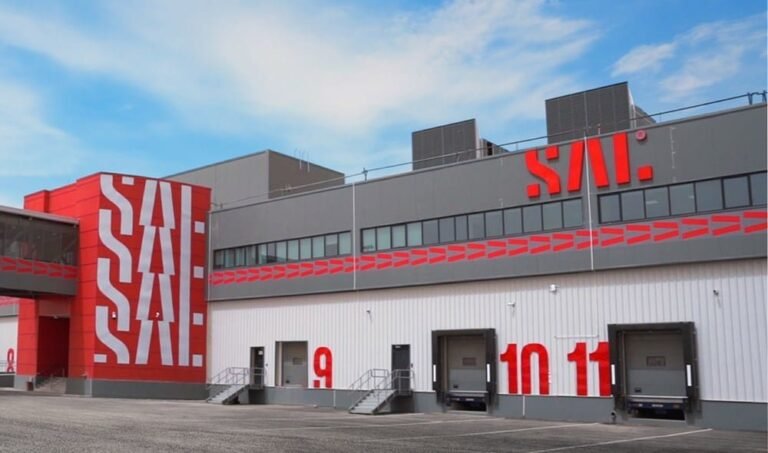
- SAL is positioning Southeast Asia as a strategic hub in its vision to make Saudi Arabia a logistics bridge between East and West, strengthening ties with Singapore, Malaysia, Thailand, Vietnam, and China to streamline cross-border flows and e-commerce trade
- The company leverages digitalisation through a unified platform and customer portal to enhance shipment visibility, automate scheduling and payments, reduce waiting times, and support sustainability by minimising waste and emissions
- SAL is expanding specialised handling capabilities for pharmaceuticals, electronics, and other time-sensitive cargo while using data analytics to forecast demand, optimise capacity, and align operations with global standards through Cargo iQ membership
As trade flows between Southeast Asia and the Gulf intensify, the pressure is on for logistics providers to offer more than just capacity. Connectivity, speed, and data integration now define competitive advantage. For SAL, Saudi Arabia’s leading air cargo handler, Southeast Asia isn’t just a key market — it’s a linchpin in a wider ambition to establish the Kingdom as a global logistics bridge between East and West.
While much of the industry eyes the region for growth, SAL is focused on alignment — integrating systems, standards and processes to create a seamless corridor between Asian manufacturing hubs and Middle Eastern gateways.
Strategic links from Riyadh to Southeast Asia
“Southeast Asia is a critical growth region for SAL’s network strategy, given its role as a global manufacturing hub and one of the fastest growing sources of e-commerce and high-value trade,” said Mohammed Nahhas, President of SAL Handling.
By strengthening ties with countries such as Singapore, Malaysia, Thailand, Vietnam and China, SAL aims to embed Saudi Arabia more deeply into Asia’s supply chains. The goal is not simply to expand presence, but to streamline cross-border flows and reduce friction between markets.
A key pillar of this strategy is partnership. SAL’s collaboration with Saudi digital security and government solutions firm Elm is already transforming its cargo operations into a single, integrated platform.
“Our partnership with Elm has been a milestone in SAL’s digital transformation journey,” said Nahhas. “Together, we are building an integrated platform that connects customers, regulators, and operators on a single interface.”
The result is better shipment visibility, automated scheduling and payment processes, and a shift toward predictive decision-making — critical elements in high-velocity corridors between Southeast Asia and the Gulf.
Digitisation as a force multiplier
Where SAL stands out is not only in its adoption of technology, but in how it embeds it into the customer experience. The company’s digital customer portal, which enables forwarders and shippers to manage appointments, track cargo, and process payments online, has already begun to cut waiting times and improve throughput.
“One example is the introduction of our ‘customer portal’… which allows freight forwarders and shippers to schedule deliveries, track cargo, and manage payments online,” Nahhas explained. “This reduces waiting times, increases accuracy, and provides customers with real-time updates.”
But digitisation, for SAL, is not just about speed — it’s also about sustainability. The company views process automation, data integration, and paperless operations as levers for lowering emissions and minimising waste.
“Digitalisation and sustainability are deeply connected,” said Nahhas. “By automating processes… we reduce waste and improve efficiency.”
Navigating regulatory friction
Despite accelerating trade, logistics systems across Southeast Asia and the Gulf remain fragmented. Inconsistent customs protocols, variable digital maturity, and differences in documentation standards still present challenges to smooth cargo flow.
“One of the main challenges lies in harmonising standards across different regulatory environments,” Nahhas acknowledged. “Bridging these gaps requires continuous collaboration, investment in interoperable systems, and shared commitment to international standards.”
To that end, SAL’s membership in Cargo iQ plays a key role. By aligning operations with globally recognised performance metrics, the company ensures that its services remain measurable and consistent — regardless of market.
“Cargo iQ membership ensures that SAL operates according to globally recognised performance metrics… customers benefit from reliable, predictable services with consistent quality standards,” he added.
This reliability becomes especially important in time-sensitive sectors, where predictability is often as valuable as speed.
Tailored handling for specialised cargo
From pharmaceuticals to electronics and motorsport components, Southeast Asia is a growing origin point for time- and condition-sensitive shipments. SAL has responded by enhancing its capabilities in specialised handling — including temperature-controlled storage, dedicated express lanes, and tailored security protocols.
“For sensitive cargo such as pharmaceuticals, electronics, or motorsport equipment, SAL deploys specialised handling protocols,” said Nahhas. “Our teams are trained to manage time-critical movements with precision, ensuring goods from Southeast Asia arrive on schedule and in perfect condition.”
This capability is increasingly valuable as manufacturers diversify sourcing and regional e-commerce accelerates demand for express, reliable logistics.
In parallel, SAL is using data analytics to sharpen its forecasting and capacity planning. By tracking seasonal trends and trade flows, the company can anticipate demand shifts — a growing necessity in volatile supply chains.
“We use advanced data analytics to monitor trade flows, seasonal demand patterns, and industry trends across Asia… to forecast capacity requirements and optimise resource allocation,” said Nahhas.
Looking ahead, SAL’s ambitions are clearly tied to Saudi Arabia’s wider logistics vision. The company’s forthcoming logistics zone in Riyadh is set to become a central node for regional and international trade, and Southeast Asia is expected to feature prominently in that ecosystem.
“We will continue to expand partnerships with leading Southeast Asian carriers, integrate more airports into our handling network, and roll out advanced digital solutions that link the two regions,” Nahhas confirmed.
“Ultimately, we see SAL acting as a bridge that connects Asia’s manufacturing strength with global markets through Saudi Arabia.”

